How Long Does a Rim Repair Take? A Real-World Timeline
October 23, 2026 · AZ Rim Repair, Mesa AZ
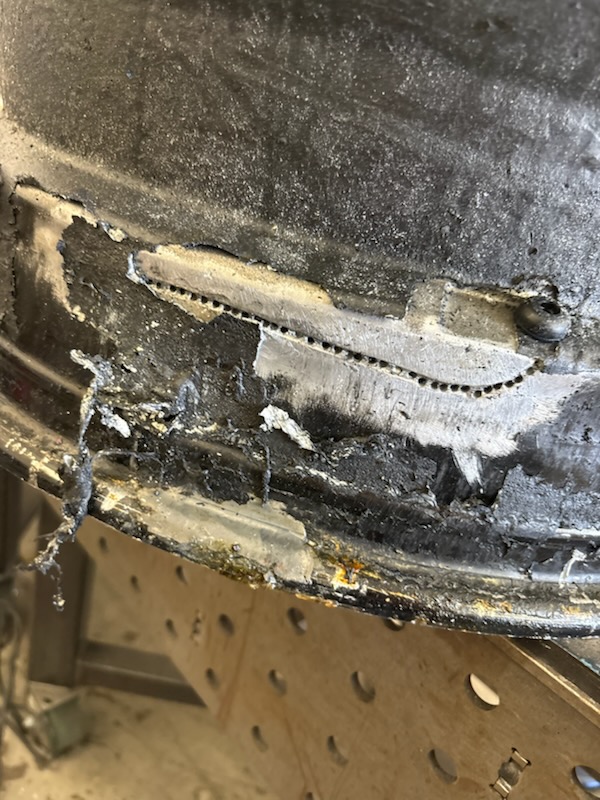
"How long will I be without my wheel?" is usually the first question after "what will it cost?" — and it deserves the same straight answer. The honest truth is that the damage sets the schedule, not the calendar: a fresh crack on a wheel brought in by itself is a very different job from a wheel that's been hammered straight somewhere else first. This guide walks through what actually happens on the bench, what our owner — who does the work himself — says about real turnaround times, and how to get the fastest, most accurate answer for your specific wheel. If you want the money side first, our rim repair cost guide for Tempe and the East Valley covers the pricing side with the same straight talk.
The short answer
Straightening a bent wheel can genuinely be a same-day job — especially if you bring it in and we can fit it between other wheels on the bench. But the honest planning number our owner gives is at least 24 hours, because it depends on the day's workload and whether the wheel was scheduled ahead. For crack repairs, the numbers are shorter than most people expect: roughly 20 minutes for a wheel brought in by itself, about 30 minutes with the tire mounted, and about 45 minutes if the wheel comes in on the car — give or take, and with one big caveat about wheels that were repaired elsewhere first.
What we don't do is guess from a description. Severe damage — a wheel cracked in more than one place, bent hard at the barrel, or hit hard enough to move the mounting face — gets assessed in person before anyone promises a timeline, and cosmetic work like curb rash is quoted from photos first because the depth and finish drive the process. A number invented over the phone is worthless if the bench says otherwise.
Why inspection comes before any timeline
A timeline you can trust starts with a real look at the wheel. Two wheels can roll in with dents that look identical from the driveway and need completely different work once the tire is off and the wheel is under light. A vibration that feels like one bend can be a bend plus a crack starting at the back of a spoke. A slow leak you're blaming on the tire can be a bent rim letting air past the bead — one more reason the tire-pressure monitoring system light deserves a look at the wheel itself, not just a top-off at the air pump.
The tire industry builds this same step into its own repair rules. The U.S. Tire Manufacturers Association's puncture repair procedure requires removing the tire from the wheel for a complete inspection before any repair, precisely because hidden damage is what turns a quick fix into a comeback. We work the same way: inspect first, then quote the time and the price. If you're deciding whether the wheel can be saved at all, start with can a bent rim be fixed or our guide to crack repair with TIG welding.
Straightening a bent wheel
Bent-wheel straightening is where same-day really happens. Our owner puts it plainly: same day if you bring the car, but it all depends on how busy he is — usually he can fit the wheel in between other wheels already on the bench. His honest planning advice is to count on at least a 24-hour turnaround unless you schedule ahead, because workload decides how quickly the press opens up.
That's why scheduling matters more than people expect. A wheel that arrives announced can be slotted into the day; a wheel that arrives unannounced waits its turn behind whatever is already clamped in the fixture. Neither is a problem — just know that "how long" partly means "how busy."
Welding a cracked wheel
Crack repair has some of the clearest numbers we can give. If the customer brings in the wheel without a tire, it's typically done in about 20 minutes, give or take. With the wheel and tire together, about 30 minutes. The whole car is about 45 minutes, give or take. Those are the numbers for a fresh crack on a wheel in normal condition.
The caveat is real, and it's the reason some cracked wheels take longer: wheels that were "repaired" somewhere else first. Our owner is blunt about it — other places typically don't weld the crack fully closed, they just weld over the crack, and there can be tons of contaminants in the material. All of that has to be cleaned out and done properly before the weld actually holds, which is why a previously-repaired wheel can take a little longer. It's the same reason the crack-versus-bend distinction matters so much when you describe the damage to us.
Cosmetic repairs: curb rash and finish work
Curb rash and refinishing are the odd ones out on the timeline because they're quoted from photos, not promised from a description. The depth of the gouge and the wheel's finish decide how much sanding, filling, priming, color-matching, and clear-coating the wheel needs — and each of those steps takes its own time, some of it cure time where nobody is touching the wheel at all. That's also why a cosmetic quote takes longer to promise than a crack weld: the repair process is longer even when the damage looks smaller. Send clear photos and you'll get an honest scope before you commit.
What makes a repair take longer than expected
Four things, in our experience. First: extra damage found in inspection — each additional crack or bend on the same wheel is more bench work, and it adds $50 to the price. Second: severe deformation, which we assess in person before promising anything at all, because a wheel bent at the barrel or cracked in multiple places is a different conversation. Third: prior repairs from other shops, especially weld-over-the-crack jobs that have to be cleaned out properly. Fourth: wheels that show up unscheduled on a busy day — same-day is a real thing here, but the bench only has so many fixtures.
None of these are surprises if we know up front. That's why photos help even for structural damage: they let us size up the scope before you load the wheel into the car.
The fastest way to a real answer
Send photos of the damage, or bring the wheel by the shop. If you can, bring the wheels and tires off the car rather than the car itself — it's faster for you and it lets us get straight onto the bench, and it's why our wheel drop-off works the way it does. For a fresh crack, a bare wheel can be welded, inspected, and back in your hands in about 20 minutes, give or take. For a straighten, same-day is possible and 24 hours is the honest plan. Bring the wheels and tires off the car rather than the car itself, and keep an eye on the basics that protect your tires and wheels between visits. And if you're weighing repair against replacement, our cost guide has the confirmed prices with no guesswork. How potholes form explains why these jobs cluster after certain seasons: pavement weakened by water and traffic breaks into potholes, and every hard hit transfers to the wheel.
FAQ: rim repair turnaround
How long does a rim repair take?
It depends on the damage and the day's workload. Straightening can be same-day if you bring it in and the bench has room; the honest planning number is at least 24 hours unless you schedule ahead. A fresh crack weld runs about 20 minutes for a bare wheel, about 30 with the tire, about 45 for the whole car — give or take.
Can a rim be repaired in one day?
Often, yes — same-day straightening is real when the wheel is brought in and can be fitted between other jobs. But it depends on workload, so scheduling ahead is the reliable way to make one day happen.
How long does bent rim straightening take?
Same day if you bring the car — but it depends on how busy the shop is, and wheels can usually be fitted in between other wheels on the bench. Plan on at least 24 hours unless you've scheduled it.
How long does a cracked rim weld take?
For a fresh crack: roughly 20 minutes with the wheel brought in by itself, about 30 minutes with the tire mounted, about 45 minutes if it comes in on the car — give or take. A wheel that was welded or "repaired" elsewhere first takes longer, because the old work and contamination have to be cleaned out before a proper weld goes in.
Why do you need to keep my wheel?
Because the inspection has to happen with the tire off the wheel, and because proper repair steps — pressing, welding, and the checks after — can't be shortcuts. It's the same reason industry tire-repair procedure requires removing the tire for a full inspection first.
Does an extra crack or bend add time?
Yes. Each additional crack or bend on the same wheel is more repair work on the bench, and it adds $50 to the price. Severe damage gets assessed in person before we promise any timeline.
How long does curb rash repair take?
It's quoted from photos, because the depth of the damage and the wheel's finish drive the process — sanding, filling, priming, color-match, and clear coat each take their own time, including cure time. Send photos and we'll give you the scope before you commit.
Do I need to leave the whole car with you?
No — and for crack welds it barely matters: about 30 minutes with the tire versus about 45 on the car. But dropping the wheels off is the fastest path, and it's what our Tempe wheel drop-off is built for.
What makes a repair take longer than expected?
Extra damage found in inspection, severe deformation that needs an in-person assessment, previous repairs from other shops that weren't done properly, and arriving unscheduled on a busy day. All manageable if we know up front.
How do I find out how long my specific repair will take?
Send photos or bring the wheel in — get a quote or use the Tempe drop-off. Cosmetic damage gets quoted from photos; structural damage gets an honest answer after inspection — which is exactly how we'd want it done for us.
Wheel damage? Text us a photo for a free quote.
Text a photo for a free quote — straightening, welding, curb rash, powder coating.