Lease Return Wheel Damage: Fix It Before the Inspection
October 30, 2026 · AZ Rim Repair, Mesa AZ
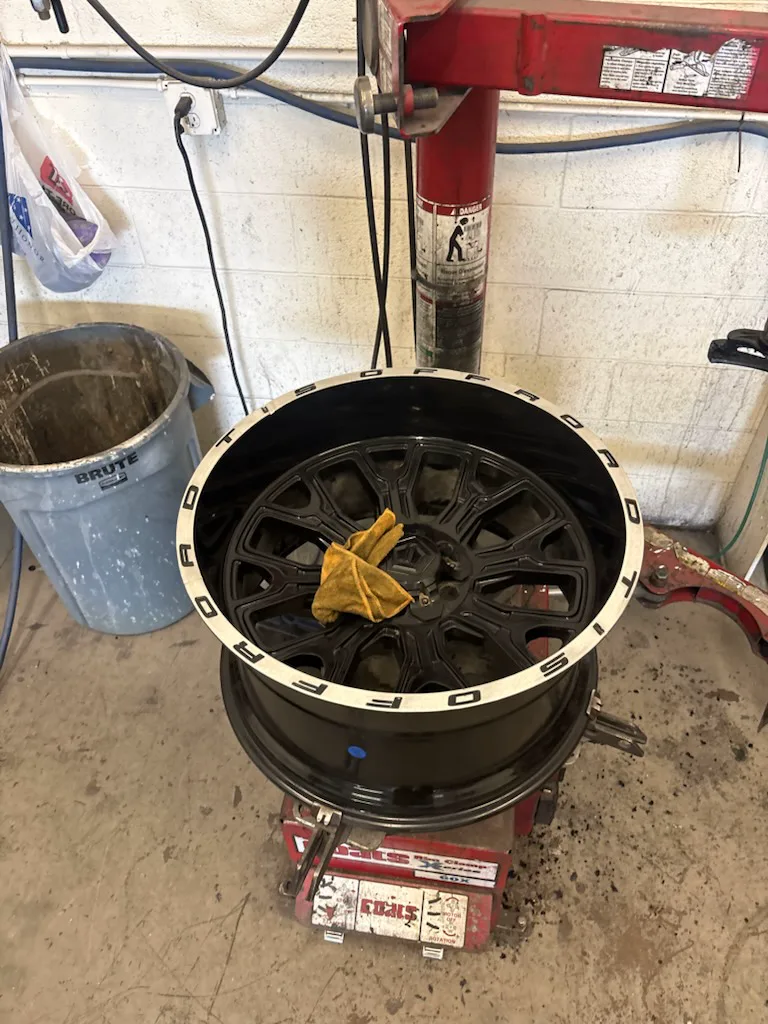
A lease is a long rental with a condition contract attached — you return the car, or buy it, at the end, and the leasing company charges for anything beyond normal wear. Wheels are where that bites hardest. Curb rash you stopped noticing in month three is exactly what a lease-end inspector photographs and prices. This guide walks the whole decision: what counts as chargeable wheel damage, what the inspection numbers tend to look like, what a repair actually costs at our shop — confirmed prices, not teaser rates — and how to time the fix before your turn-in date.
The short answer
Get the wheels looked at before the inspection, not after. If a wheel has a crack or a bend, our repair starts at $200 on a bare wheel, $250 with the tire mounted, or $350 for a whole-vehicle visit (call ahead first), plus $50 for each additional crack or bend on the same wheel. Curb rash refinishing is quoted from a photo, because the cost depends on how deep the damage goes. Compare that with the per-wheel damage charge on an inspection report — drivers on lease forums routinely report $50 to $300-plus per wheel — and the math usually decides itself. Send us photos of every wheel you're worried about, and you'll know your number before the inspector does.
What counts as chargeable damage at turn-in
Every lease defines excess wear and tear, and wheels get their own line in what leasing companies charge for: scrapes, gouges, bends, cracks, and missing chunks of rim. The judgment happens at the lease-end inspection — an inspector walks the car, photographs damage, and produces an itemized report. Anything you disagree with, you can dispute or fix before the final return, but the cheapest moment to handle wheel damage is before that inspection ever happens.
Curb rash and scrapes come first. Cosmetic damage to the face or lip doesn't affect how the car drives, which is exactly why so many lessees ignore it — and why it's the most common charge on the report. Our curb rash repair page explains how refinishing works and why it's photo-quoted.
Bends are the second tier. A dented or out-of-true wheel, usually from a pothole or curb strike, is structural damage, not cosmetic — inspectors flag it, and so should you, because a bend chews the tire bead and can hide a crack. See can a bent rim be fixed for what straightening can and can't recover.
Cracks and missing chunks are the serious tier. A cracked barrel leaks air; a missing chunk means material left the wheel entirely. A proper TIG weld repair closes most single cracks permanently — but some damage means replacement, and an honest shop will tell you which.
What the inspection charge looks like versus a repair
Here's the honest framing: we can't quote your lease company's numbers, and we won't pretend Phoenix inspectors charge what a forum post says. What we know is what drivers report nationally — per-wheel charges commonly ranging from around $50 to $300-plus depending on the lender and the damage — and that those charges arrive per wheel, on a report you get after the inspection. What we can quote exactly is our side of the ledger, and these are confirmed prices: one crack or bend is $200 on a bare wheel, $250 with the tire mounted, $350 for a whole-vehicle visit (call ahead first), and each additional crack or bend on the same wheel adds $50. Curb rash refinishing is quoted from a photo. Severely damaged wheels are assessed in person — no price over the phone, because no honest shop prices that from a description.
The comparison to make is simple: your inspection report's per-wheel charge, against a confirmed repair price, times the number of damaged wheels. When four wheels have curb rash — the classic turn-in situation — that multiplication is what convinces people, not us. The full pricing context, including why repair usually beats replacement, is in our rim repair cost guide.
One more thing worth knowing: a repaired wheel is a wheel that passes. Refinished curb rash and properly welded or straightened alloy wheels are standard practice in the wheel trade — the inspector sees a round, intact wheel, not a damage line item. Repair is not hiding damage; it's fixing it before someone else prices it for you.
What we fix, and how fast, before your turn-in
Structural work is where a shop earns its money. Cracks get TIG welded — cleaned, welded, and inspected. Bends get straightened and rebalanced; the decision guide for which bends are repairable is in is a slightly bent rim dangerous. Cosmetic curb rash gets refinished to match the wheel's finish — quoted from photos because depth and finish drive the work. Not sure which bucket your wheels are in? Send photos first; that's the whole point of the photo quote.
Timing is rarely the problem people expect it to be. A crack weld on a bare wheel is bench work measured in minutes; a straighten is often same-day, with 24 hours the honest planning number when the shop is busy. Real turnarounds are laid out in how long a rim repair takes — but the rule for a lease return is to schedule the repair a comfortable margin before your inspection date, not the day before. If a repair uncovers more damage than expected — a bend hiding a crack, which happens — you want slack in the calendar, not a deadline.
We put the lease-turn-in question straight to the shop's owner, Brandon, and here is his answer, word for word: “I have fixed Wheels that people have Lease but they usually try to fix them before they take it in so they don't get dinged.” That's the whole pattern in one sentence — the customers who come in do it ahead of the turn-in, precisely so the inspection report never sees the damage.
And bring the wheels, not the car, if you can. The fastest path is the Tempe wheel drop-off: wheels and tires off the car lets us demount the tire, see the entire barrel including the inboard side where lease-relevant cracks hide, and get straight onto the bench. If pulling the wheels isn't practical, call ahead about a whole-vehicle visit. There's no mobile service — and for turn-in work you want the bench anyway.
After the repair, keep the invoice. A dated, itemized repair record is good paper for the turn-in conversation, the same way a repair invoice supports a pothole damage claim — and a reminder to keep up with tire care basics so the fresh work stays in inspection shape.
If you're deciding between repairing and just paying
Two honest cases for just paying the inspection charge. First, if the damage is on a wheel that also needs a tire or is near the end of its life, putting money into it may not make sense — ask, and we'll say so. Second, if your lease's wear allowance already covers the damage, there's nothing to beat. But for the common case — curb rash or a single bend on otherwise good wheels — the inspection charge is per wheel, the repair is a known number, and the DIY-versus-professional answer for turn-in work is professional: a home touch-up that still fails inspection is the most expensive outcome of all.
FAQ: lease return wheel damage
Should I fix damage before turning in a lease?
Usually, yes. Wheel damage is charged per wheel on the inspection report, and a confirmed repair price is often lower than the charge. Get the wheels photographed and quoted before the inspection so you can compare real numbers.
What happens if I return a leased car with rim damage?
The inspector records it as excess wear and you're billed per wheel after the lease-end inspection. You typically get the report before the final return, so the repair-versus-pay comparison is still open at that point.
How much do lease companies charge for scuffed alloys?
It varies by lender and damage depth — drivers nationally report roughly $50 to $300-plus per wheel. Your own inspection report is the only number that counts for your lease; get the repair quote before that date so you have both numbers.
Does curb rash count as excess wear on a lease?
Yes. Scrapes and gouges on wheel faces are standard excess-wear line items. Refinishing before the inspection usually costs less than the charge; send photos for a quote, because depth and finish drive the price.
Can a cracked wheel pass a lease inspection?
A repaired one can. A visible crack is chargeable damage; a properly TIG-welded and inspected wheel is an intact wheel. Cracks through the hub or mounting face mean replacement instead — an honest shop tells you which.
How long before turn-in should I repair my wheels?
Give it a comfortable margin — a week or more. Most repairs are same-day or 24 hours, but if the work uncovers more damage, you want calendar slack before your inspection date, not a scramble.
Do I bring the wheels or the whole car?
Wheels and tires off the car if you can — it's the fastest path, and the Tempe drop-off is built for it. A whole-vehicle visit is possible at $350, but call ahead first; there's no mobile service.
Is a repaired wheel accepted at lease turn-in?
Yes. A refinished or properly welded wheel is an intact, functional wheel, which is what the inspection checks. Keep the dated repair invoice; it's your paper trail if a line item still appears on the report.
If your turn-in date is coming and the wheels have stories on them, don't wait for the inspector to price them: send photos or bring them by the Tempe drop-off. You'll get a straight answer and a confirmed price — before the report does the math for you.
Wheel damage? Text us a photo for a free quote.
Text a photo for a free quote — straightening, welding, curb rash, powder coating.